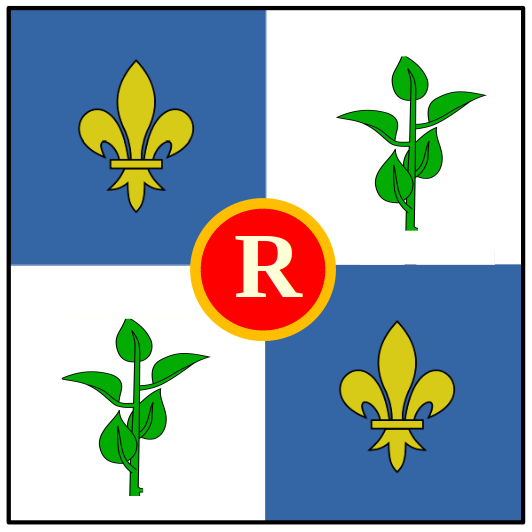
Family Reding – The Valiant Ancestors Through the Centuries
Family Reding – The Valiant Ancestors Through the Centuries
Dear Brothers and Sisters, welcome to the history of the Reding Family in Switzerland.
The Holy Origin in the Dawn of Tradition
Out of the dawn of living tradition, deeply rooted in the mist-shrouded womb of the Swiss mountains, the Reding stood as free men and chosen leaders among the people of Schwyz. Their name already echoes in the oldest chronicles — as early as 1281 with Werni Rato at the Landsgemeinde, and in 1311 as Wernherus dictus Reding, the courageous leader in the March dispute with the monastery of Einsiedeln. They sprang from the respected lineage of free peasants in the Arth quarter, from Biberegg near Rothenthurm and the Steiner quarter in Arth, the beating heart of the ancient Swiss Confederation. Free farmers and warriors at once, they bore the Sword of the Logos from the very beginning: courageous in the service of the Good, god-fearing as the flame upon the altar, virtuous as the pure souls of the saints.
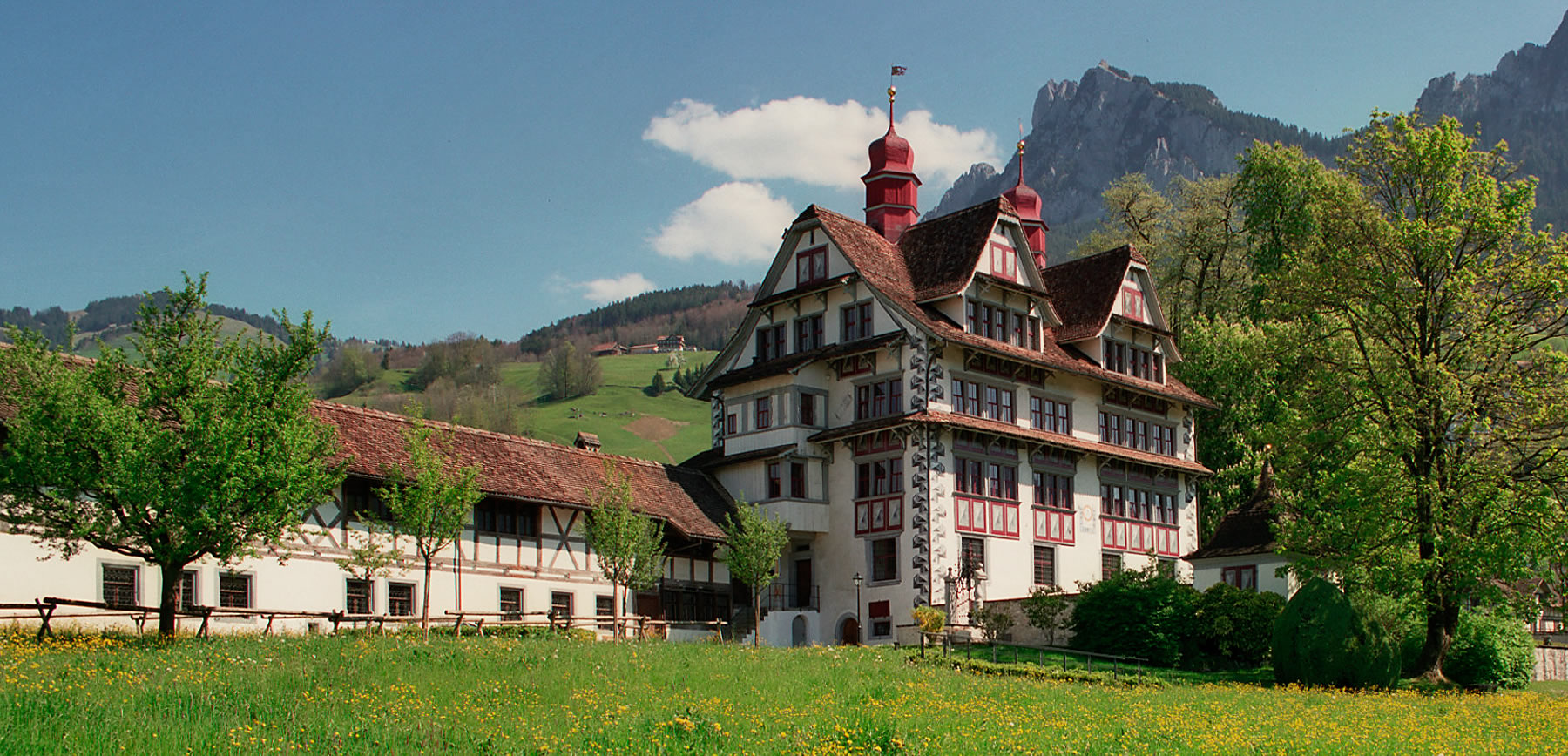
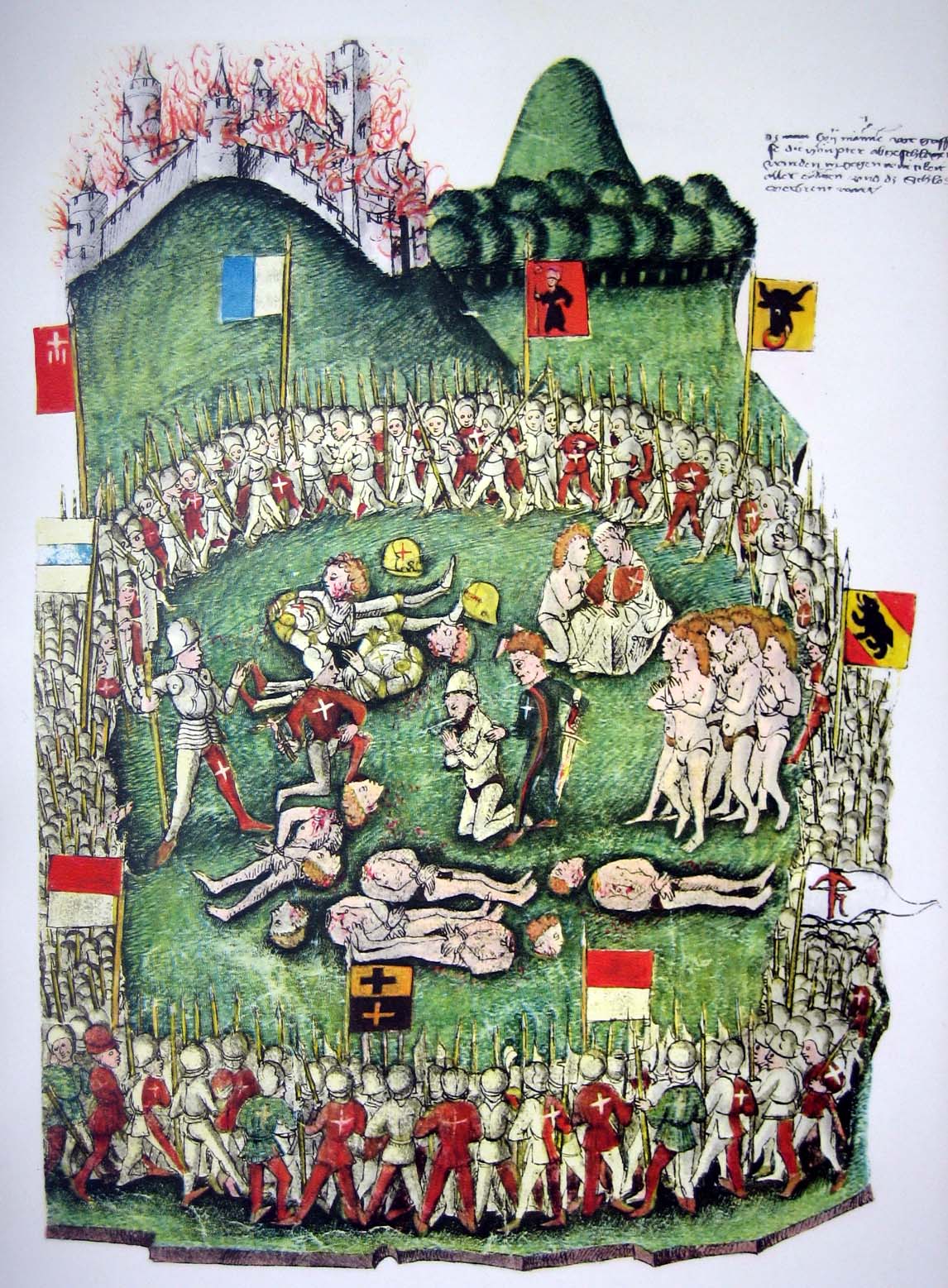
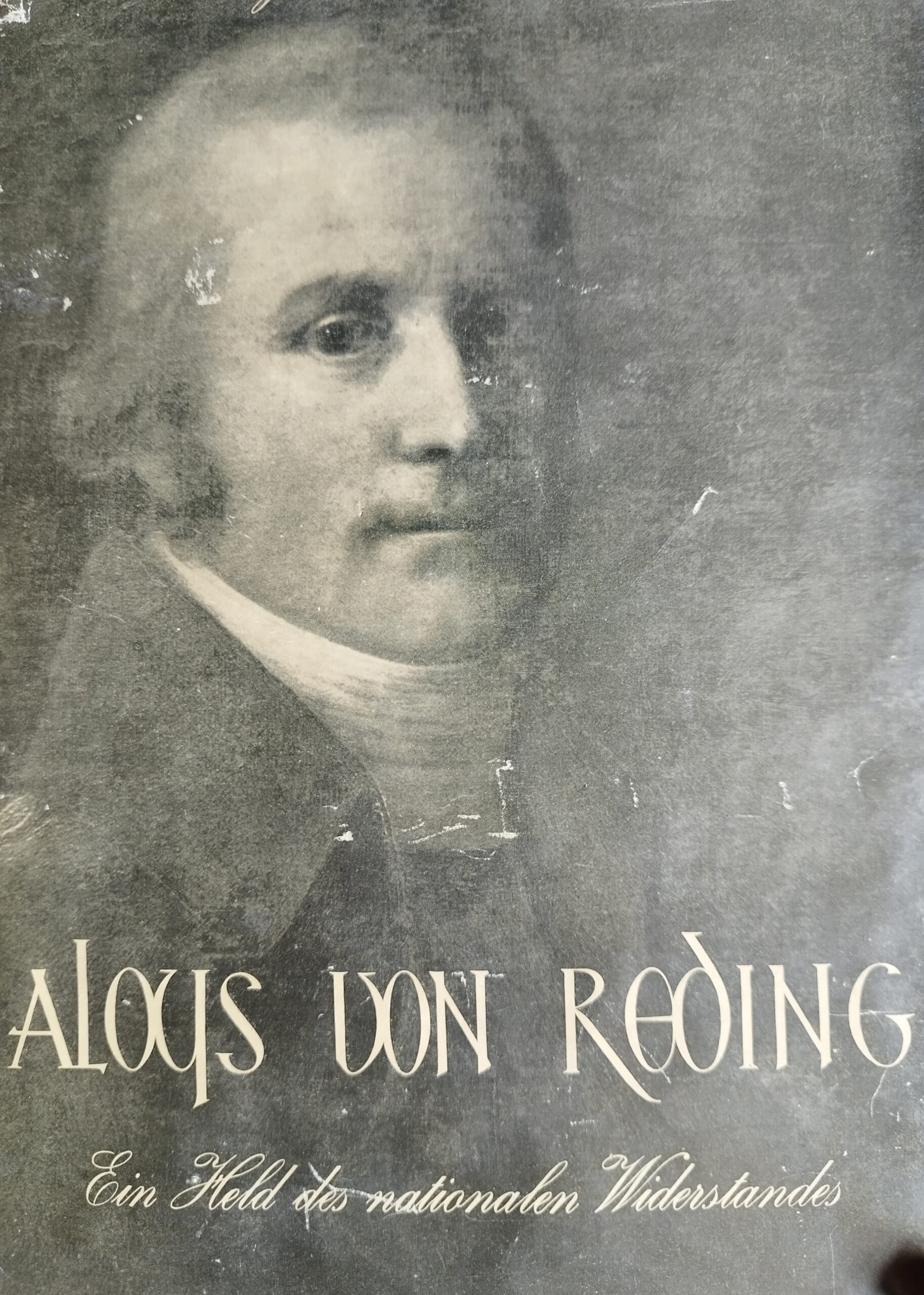
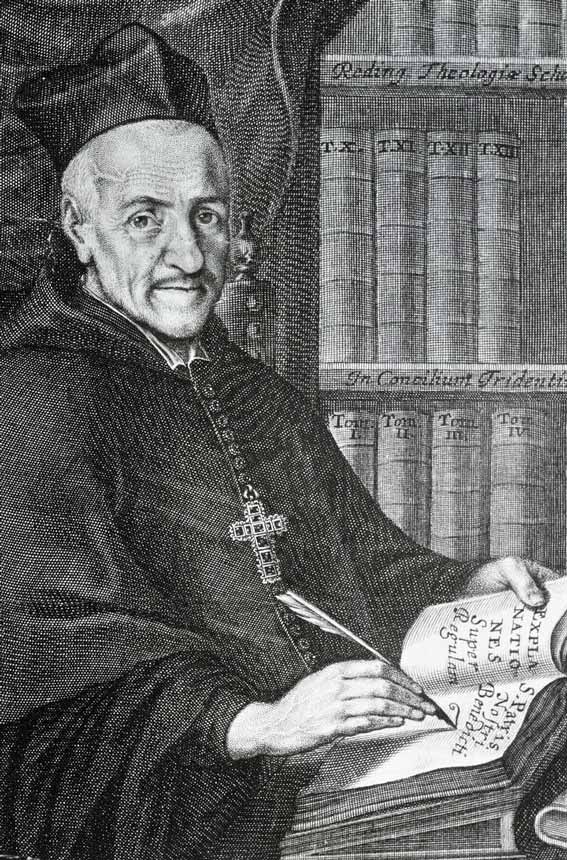
Ital Reding the Elder – The Mighty Landammann and Knight of Faith
The spirit of the house shone with especial brilliance in the 14th and 15th centuries. The father Hektor Reding himself guided the destinies of Schwyz as Landammann around 1408–1411. Yet the pinnacle of this knightly heritage was reached by Ital Reding the Elder (c. 1370–1447), born in Sattel, the powerful Landammann and bold commander. For over three decades — from 1411 to 1428 and again from 1432 to 1445 — he steered the fortunes of Schwyz with a strong, unyielding hand and a deep faith in the Almighty.
As envoy of the Swiss Confederation to the Diet and to the Council of Constance in 1415, he represented the land with wisdom and dignity. From King Sigismund he obtained the right of high justice and vastly expanded Schwyz’s territory: jurisdiction over Einsiedeln, the March and Küssnacht came under his protection. In the storms of the Old Zurich War (1440–1450) he stood at the forefront as army commander, fighting for freedom, faith and fatherland, proving in council halls and on the battlefield true knightly resolve, virtue and unshakeable loyalty.
Ital Reding the Younger – The Faithful Heir and Martyr of the Homeland
His son, Ital Reding the Younger (c. 1410–1466), carried the sacred legacy forward. He too became Landammann, captain in war and arbitrator in numerous Swiss disputes. He purchased rights for Arth and Schwyz, endowed church benefices to the land and acted as peacemaker after the fratricidal wars. On the way home from Schwyz to Arth in 1466 he was treacherously attacked and died as a martyr of loyalty — yet his spirit lived on in the unbreakable bond of the family.
The Living Legacy from Generation to Generation
From generation to generation, through council halls and battlefields, through foreign campaigns in French and Spanish service and the quiet, blessed strength of the homeland, the family remained deeply rooted in Arth and Schwyz. They passed on the living flame of faith, honour, ancestral duty and virtue like a holy inheritance from father to son — borne by the Sword of the Logos, which slays what must die and awakens to true life, and nourished by the Holy Grail of divine grace that pours love as perfect union into the world.
The Ideal of the Christian Knight
In these valiant ancestors there shines forth to this very day the ideal of the Christian knight: courageous in the fight for what is right, humble before God, responsible toward his own people, faithful in love for family and homeland. They were not only defenders of the land, but living witnesses to the turning toward the symbolic Father in Heaven, bearers of the rediscovery of the Logos who awakens the soul from the sleep of the world.
May their spirit live on in all descendants and guide the Reding family through all ages to come — so that the Sword of the Logos may bless and liberate, the Holy Grail may fill every soul with truth, beauty and luminous virtue, and every generation may become, in the sacred unity of father and mother, a living part of the Greater Whole.
Amen.